A Comprehensive, Real-World Guide from a Las Vegas Immigration Lawyer
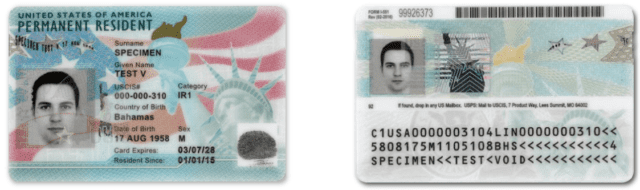
Adjustment of Status (AOS) allows certain foreign nationals already in the United States to apply for lawful permanent residence—commonly known as a green card—without leaving the country. In my experience practicing immigration law since 2008, Adjustment of Status is one of the most powerful tools in family-based immigration—but also one of the most misunderstood.
Many people assume that if they qualify on paper, Adjustment of Status is simply a matter of filing forms and waiting. In reality, AOS is a legal strategy, not just a filing process. Decisions made at this stage can affect not only whether the green card is approved, but whether the applicant remains permanently admissible, eligible for naturalization, and protected from future immigration problems for the rest of their life in the United States.
This guide explains how Adjustment of Status works, who qualifies, where people get into trouble, and why experienced legal guidance often makes the difference between a clean approval—and years of risk that surface later, sometimes unexpectedly.
For official government guidance on Adjustment of Status, eligibility requirements, and filing procedures, applicants should also review the U.S. Citizenship and Immigration Services overview page on Adjustment of Status.
👉 USCIS – Adjustment of Status (Green Card from Inside the U.S.)
Who This Guide Is Intended For
This guide is intended for:
Spouses of U.S. citizens adjusting status from inside the U.S.
Parents or children eligible for Adjustment of Status
Applicants who entered on a visa and overstayed
Families choosing between Adjustment of Status and consular processing
Applicants with any prior immigration history—even if it seems minor
This guide is for general informational purposes only and does not replace individualized legal advice.
1. What Is Adjustment of Status — and Why It’s More Than a Filing
Adjustment of Status is the process of applying for permanent residence from inside the United States using Form I-485, rather than completing immigrant visa processing at a U.S. consulate abroad.
From a practical standpoint, Adjustment of Status allows eligible applicants to:
Remain in the U.S. while the case is pending
Apply for work authorization (EAD)
Apply for Advance Parole (permission to travel)
Attend a USCIS interview domestically rather than abroad
But from a legal standpoint, Adjustment of Status is also the moment when USCIS examines the applicant’s entire immigration history in one place. In my experience, this is often the first time all prior entries, exits, applications, overstays, and encounters are evaluated together.
This is why AOS must be handled carefully—not just to get approved, but to ensure the case is clean, consistent, and defensible long into the future.
2. Who Is Eligible for Adjustment of Status?
Eligibility for Adjustment of Status depends on several factors, including:
How the applicant entered the U.S.
Whether the applicant was inspected and admitted or paroled
Who is sponsoring the applicant
Whether the applicant is admissible or qualifies for waivers
Immediate Relatives of U.S. Citizens
In my practice, immediate relatives of U.S. citizens—spouses, parents, and unmarried children under 21—have the broadest eligibility. Certain immigration violations, such as overstays, are forgiven for this category.
However, forgiveness is not unlimited. Issues like fraud, misrepresentation, false claims to citizenship, or prior removal orders are not automatically cured by marriage or family relationship.
Lawful Permanent Resident Petitions
Adjustment of Status based on a lawful permanent resident petitioner is more restrictive and often depends on:
Visa availability
Maintenance of lawful status
Priority date timing
I frequently see applicants file too early or assume eligibility without realizing that unlawful presence or status violations can block AOS in these cases.
3. Adjustment of Status vs. Consular Processing: A Strategic Choice
One of the most important decisions families face is whether to pursue Adjustment of Status or consular processing abroad.
In my experience, Adjustment of Status is often preferable when:
The applicant entered lawfully
The applicant is otherwise admissible
Travel abroad carries legal or waiver risks
Keeping the family together is critical
Consular processing may be required—or safer—when:
The applicant entered without inspection
Adjustment eligibility is not available
Waiver strategy must be carefully controlled
Choosing the wrong path can result in avoidable separation, waiver denials, or long-term inadmissibility.
4. Forms Commonly Filed in an Adjustment of Status Case
A typical family-based Adjustment of Status filing may include:
Form I-130 – Immigrant Petition
Form I-485 – Adjustment of Status
Form I-864 – Affidavit of Support
Form I-765 – Employment Authorization
Form I-131 – Advance Parole
In my experience, many delays and RFEs are not caused by eligibility problems—but by inconsistencies between these forms, especially financial sponsorship, employment history, or prior addresses.
🔗 Related guide: Affidavit of Support (Form I-864): Requirements Explained
5. Work Authorization and Travel: Powerful Benefits, Real Risks
Employment Authorization (EAD)
EAD allows applicants to work while the AOS is pending. Processing times vary widely, and I caution clients not to rely on assumptions or online timelines.
Advance Parole (Travel Permission)
Advance Parole allows limited travel while the case is pending.
From real cases I have handled:
Traveling without Advance Parole—or traveling when Advance Parole is legally risky—can result in abandonment of the application or denial at reentry. This is one of the most damaging mistakes applicants make when acting without legal advice.
6. Common Problems and RFEs I See in AOS Cases
Some of the most frequent issues I encounter include:
Weak or incomplete Affidavit of Support filings
Prior immigration violations not fully disclosed
Inconsistent answers across forms
Prior arrests or citations that were “dismissed” but not properly documented
Travel during the pendency of the case
Relationship evidence that looks thin or rushed
Most of these problems are preventable when addressed before filing.
7. The Adjustment of Status Interview: What Really Matters
Most family-based AOS cases require an in-person interview at a USCIS field office.
In practice, officers focus on:
Eligibility for Adjustment of Status
Admissibility
Credibility and consistency
Relationship authenticity (in marriage cases)
The interview is not the time to fix legal mistakes. Issues discovered at this stage often result in RFEs, delays, or denials.
8. Why “Doing It Right” Matters for Life — Two Real-World Lessons
Story #1: The Approval That Came Back Years Later
I once met a client who had obtained a green card years earlier through Adjustment of Status without legal help. Everything seemed fine—until he applied for naturalization.
At that point, USCIS re-examined his original AOS filing and found an inconsistency related to his prior status history. The green card itself was never revoked, but the naturalization case was denied, and the client was placed into removal proceedings.
The lesson:
Adjustment of Status is not just about getting approved—it’s about creating a record that remains consistent and defensible for life.
Story #2: The “Simple Marriage Case” That Wasn’t
Another family came to me after filing on their own. The marriage was real, and eligibility existed—but a prior visa application contained a misstatement that was never addressed.
The case was approved initially. Years later, that same issue resurfaced when the applicant tried to sponsor a family member. What could have been handled cleanly at the AOS stage became a major legal obstacle later.
The lesson:
Immigration history does not disappear. USCIS keeps records, and inconsistencies tend to surface when it matters most.
9. When Adjustment of Status Is Risky or Not Available
Adjustment of Status requires careful legal analysis when the applicant has:
Entry without inspection
Prior removal or deportation orders
Fraud or misrepresentation issues
Certain criminal histories
Long periods of unlawful presence
In these cases, Adjustment of Status may not be available—or may require a different strategy altogether.
🔗 Related guide: Provisional Waiver (Form I-601A): A Practical Guide
10. Why Hiring an Experienced Immigration Attorney Is Often Worth It
Many people assume that hiring an immigration lawyer is only about improving approval odds. In my experience, it is often more about protecting the applicant’s future.
An experienced immigration attorney can:
Identify risks that are not obvious on the forms
Ensure disclosures are complete and consistent
Structure filings to avoid future problems
Prevent mistakes that surface years later
Protect eligibility for naturalization, sponsorship, and travel
The goal is not just approval—it is a clean, durable immigration record that remains sound for the rest of the applicant’s life in the United States.
11. Final Practical Advice
If your case involves:
Prior overstays or status violations
Travel plans while the case is pending
Any immigration history—no matter how old
Financial sponsorship issues
Marriage-based Adjustment of Status
Do not assume Adjustment of Status is straightforward. Careful planning now can prevent serious legal consequences later.
Need Professional Guidance?
Every Adjustment of Status case is different. What worked for someone else may be dangerous in your situation.
Consulting an experienced immigration lawyer before filing can help ensure that your case is not only approved—but handled correctly, consistently, and safely for the rest of your life in the U.S.
Disclaimer
This guide is provided for general informational purposes only and does not constitute legal advice. Reading this guide does not create an attorney-client relationship. Immigration law is complex and fact-specific. Consult a qualified immigration attorney for individualized guidance.
