
I-751 Removal of Conditions
Lawyer in Las Vegas
Joint Petitions and Waivers for Conditional Permanent Residents
By Arsen V. Baziyants, Las Vegas immigration attorney practicing since 2008.
As an I-751 removal of conditions lawyer in Las Vegas, I help conditional permanent residents protect their lawful status and avoid unnecessary denials. Since 2008, I have represented clients in both joint I-751 filings and cases involving divorce, abuse, death of a spouse, and extreme hardship. Proper strategy, evidence, and timing are critical to long-term immigration security.
An outcome from our practice: A divorced client sought an I-751 waiver on multiple grounds. After a request for additional evidence and two years and eleven months of processing, USCIS approved the petition without an interview. Read the documented I-751 approval or see our case outcomes. Individual results depend on the facts and evidence.
How an I-751 Removal of Conditions Lawyer in Las Vegas can help
Consult a Las Vegas I-751 Lawyer About Conditional Resident Status
One of the most misunderstood aspects of marriage-based immigration is the difference between conditional permanent residence and unconditional permanent residence. This distinction matters because it determines whether an immigrant spouse must later file an I-751 petition to remain lawfully in the United States.
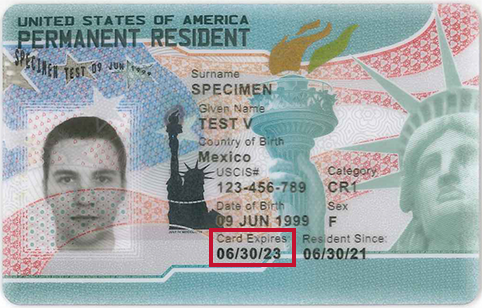
Conditional permanent residence is granted when the marriage is less than two years old at the time permanent residence is approved—either through adjustment of status (Form I-485) or entry with an immigrant visa. In these cases, USCIS issues a two-year green card, not a ten-year one.
What Conditional Permanent Residency Really Means
Conditional permanent residents are lawful permanent residents. The two-year card reflects conditions that must be removed through Form I-751; it does not mean the person lacks permanent resident status.
A joint I-751 petition generally must be filed during the 90 days before the second anniversary of obtaining conditional residence. Waiver requests and individual filings have different rules; a person eligible for a waiver need not wait for that window. Late filings or removal proceedings require individual legal review.
Approval removes the conditions from the existing permanent resident status.
I-751 Waivers and Individual Filings
Although many I-751 petitions are filed jointly, life does not always follow a predictable path. U.S. immigration law allows waivers of the joint-filing requirement when a joint petition is no longer possible.
I-751 waivers may be requested when:
The marriage ended in divorce or annulment
The immigrant spouse suffered battery or extreme cruelty
Removal would result in extreme hardship
When the petitioning spouse has died and the marriage was entered in good faith, USCIS treats the request as an individual filing rather than a waiver. See the USCIS fact sheet on individual and waiver filings.
These cases are often far more complex than joint filings. In some situations, a case that begins as a joint petition must later be converted into a waiver filing. Strategy, timing, and evidence are critical in avoiding delays or denials.
Permanent Residence Without Conditions (10-Year Green Card)
When permanent residence is granted after the couple has been married for at least two years, USCIS issues a ten-year green card with no conditions attached.
A ten-year card does not require the marriage-based removal-of-conditions process. Card renewal and eligibility for naturalization are separate questions that depend on the individual’s record. Learn about our naturalization representation.
Should You Wait Before Applying for a Marriage-Based Green Card?
In some situations, it may be strategically beneficial to delay filing for a marriage-based green card in order to avoid conditional residence altogether.
This can make sense when the foreign national spouse:
Is already in the U.S. in valid status
Can lawfully work and travel (e.g., H-1B, L-1, O-1, P-1)
Is approaching the two-year marriage mark
The marriage length at adjustment approval or admission with an immigrant visa determines whether residence is conditional. Delaying a filing solely to avoid I-751 can carry other risks; filing date alone does not determine the result. During case preparation, couples can gather genuine evidence of their shared life, such as tax records, financial accounts, and travel history.
The right approach depends on individual circumstances and should always be evaluated with an experienced immigration attorney.
Work With an Experienced Las Vegas I-751 Immigration Lawyer
I-751 cases are high-stakes. A mistake can result in delays, requests for evidence, interviews, or even loss of permanent resident status.
If you are approaching the end of your two-year green card period—or if your marriage has changed since conditional residence was granted—consulting an experienced Las Vegas I-751 immigration lawyer can help protect your future.
Call 702-243-9444 or schedule a consultation below to discuss your options.

Practical questions before filing
What is Form I-751 used for?
Form I-751 is the petition to remove conditions on residence for qualifying marriage-based conditional permanent residents. USCIS Form I-751.
Where should I check current filing instructions?
Use the official USCIS form page and instructions to check the current edition, filing requirements, and supporting documents. A general overview cannot determine eligibility from an individual immigration history.
How can I request an individual case assessment?
Request a consultation with the Law Offices of Arsen V. Baziyants. Include your immigration history and any approaching deadlines so the office can identify appropriate next steps.
